

Elbow Fractures
-
Orthopaedic Specialists of Dallas
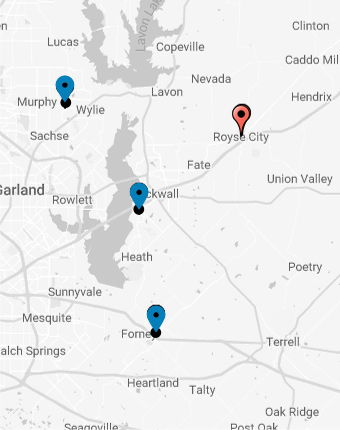
Orthopaedic Specialists of Dallas is a prestigious orthopaedics practice serving the community in and around Rockwall, Terrell, Wylie, Forney, and Royse City, Texas.
What is Elbow Anatomy?
The arm in the human body is made up of three bones that join to form a hinge joint called the elbow. The upper arm bone or humerus connects from the shoulder to the elbow to form the top of the hinge joint. The lower arm or forearm consists of two bones, the radius and the ulna. These bones connect the wrist to the elbow forming the bottom portion of the hinge joint.
What are Elbow Fractures?
Elbow fractures may occur from trauma, resulting from various reasons: a fall on an outstretched arm, a direct blow to the elbow or an abnormal twist to the joint beyond its functional limit.
What are the Types of Elbow Fractures?
The types of elbow fractures include:
- Radial head and neck fractures: Fractures in the head portion of the radius bone are referred to as radial head and neck fractures.
- Olecranon fractures: These are the most common elbow fractures, occurring at the bony prominence of the ulna.
- Distal humerus fractures: These fractures are common in children and the elderly. Nerves and arteries in the joint may sometimes be injured in these fractures.
What are the Symptoms of Elbow Fractures?
The symptoms of an elbow fracture may include pain, bruising, stiffness, swelling in and around the elbow, popping or cracking sound, numbness or weakness in the arm, wrist, and hand, and deformity of the elbow bones.
How are Elbow Fractures Diagnosed?
To diagnose an elbow fracture, your doctor will review your history, perform a thorough physical examination and order X-rays of the joint. In some cases, a CT scan may be needed to view the details of the joint surface.
What are the Treatment Options for Elbow Fractures?
The aim of treatment is to maximize early motion and reduce the risk of stiffness. Non-surgical treatment options include pain medication, ice application, the use of a splint or a sling to immobilize the elbow during the healing process, and physical therapy.
Surgery is indicated in displaced and open fractures to realign the bones and stabilize the joint with screws, plates, pins and wires. Strengthening exercises are recommended to improve the range of motion.
For more information about our services or to schedule an appointment, call us at or click here to request an appointment online. We'll respond to you as soon as possible.